



HONG KONG, Nov 11, 2025 – (ACN Newswire) – Recently, the Bright China 2025 Clear Vision China Myopia Prevention and Control Conference & International Myopia Symposium was held in Shanghai. During the conference, on October 26, Airdoc jointly organized a satellite session themed “Clinical Research and Prospects of PBM(R) Photobiomodulation” with several authoritative experts. At the session, clinical research data on the application of Airdoc’s PBM(R) Vision Rehabilitation Device was released, with the aim of promoting the high-quality development of myopia prevention and control endeavors and assisting in achieving the national strategic goals for myopia prevention and control health.
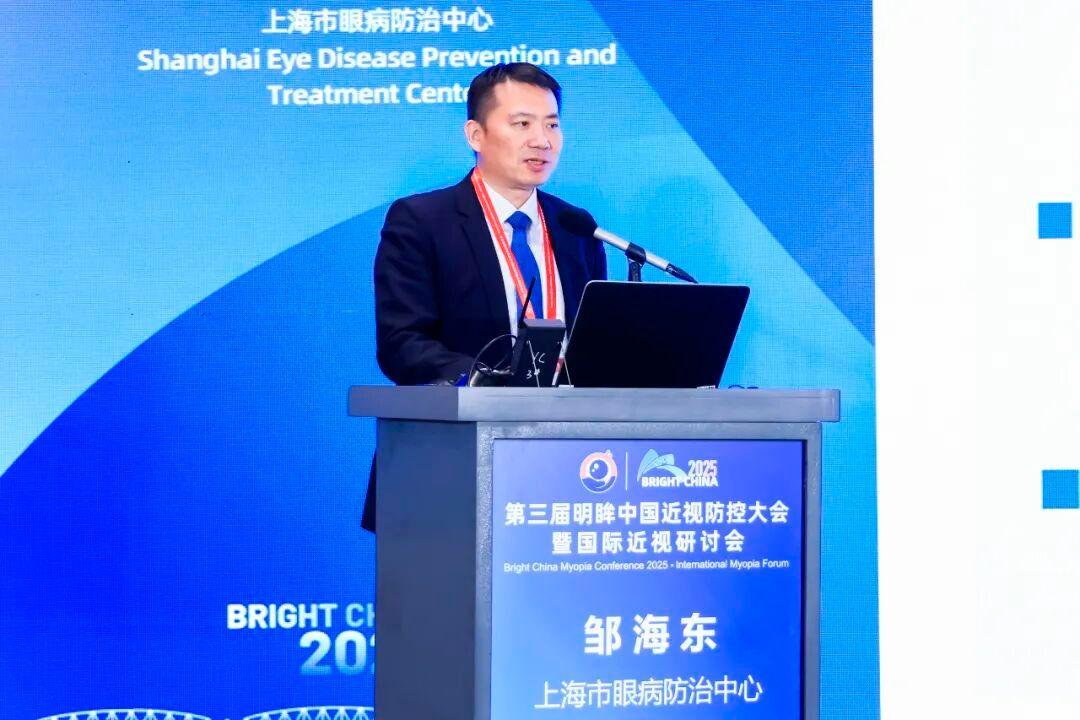
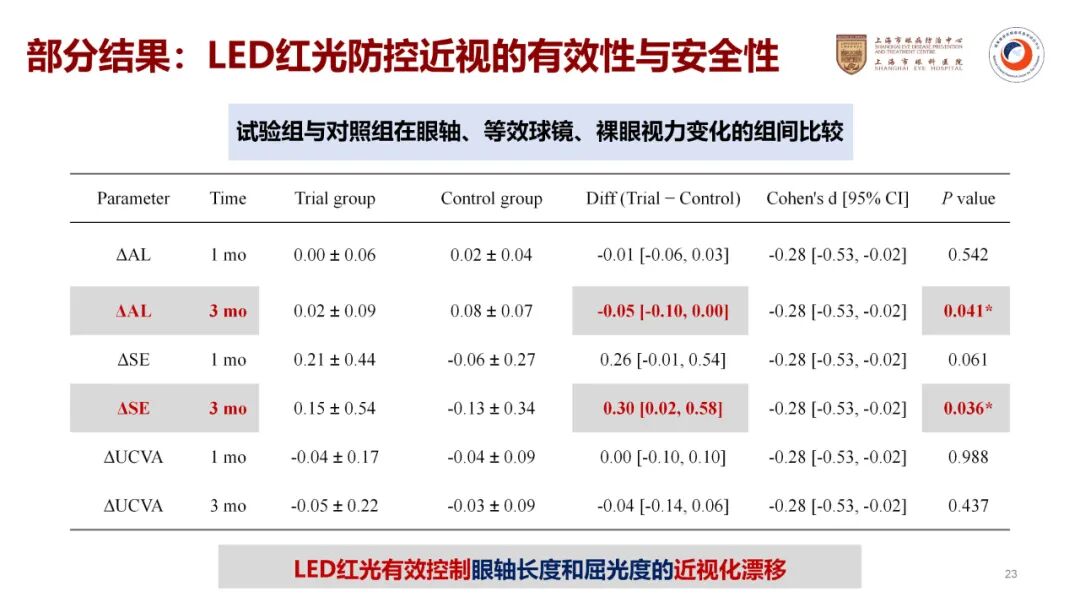
At the “Lighthouse – Standards and Guidelines” thematic seminar, Professor Zou Haidong from the Shanghai Eye Disease Prevention and Treatment Center introduced the clinical trial progress of the Airdoc PBM(R) Vision Rehabilitation Device. Professor Zou mentioned, “The currently ongoing clinical trial data shows that, compared with a placebo, the application of the Airdoc PBM(R) Vision Rehabilitation Device can effectively control the myopic shift in axial length and refractive power.”
Meanwhile, the satellite session themed “Clinical Research and Prospects of PBM(R) Photobiomodulation” was jointly chaired by Professor Wang Xiaojuan from Shanghai First People’s Hospital, Shanghai Jiao Tong University School of Medicine, and Professor Yu Jun from Xinhua Hospital, Shanghai Jiao Tong University School of Medicine. At the session, Professor He Xiangui from the Shanghai Eye Disease Prevention and Treatment Center, Professor Liu Hong from Shanghai Children’s Medical Center, and Professor Chen Zhijun from Children’s Hospital of Nanjing Medical University delivered wonderful thematic reports, providing in-depth analyses of the groundbreaking progress of PBM photobiomodulation technology in the field of myopia prevention and control.
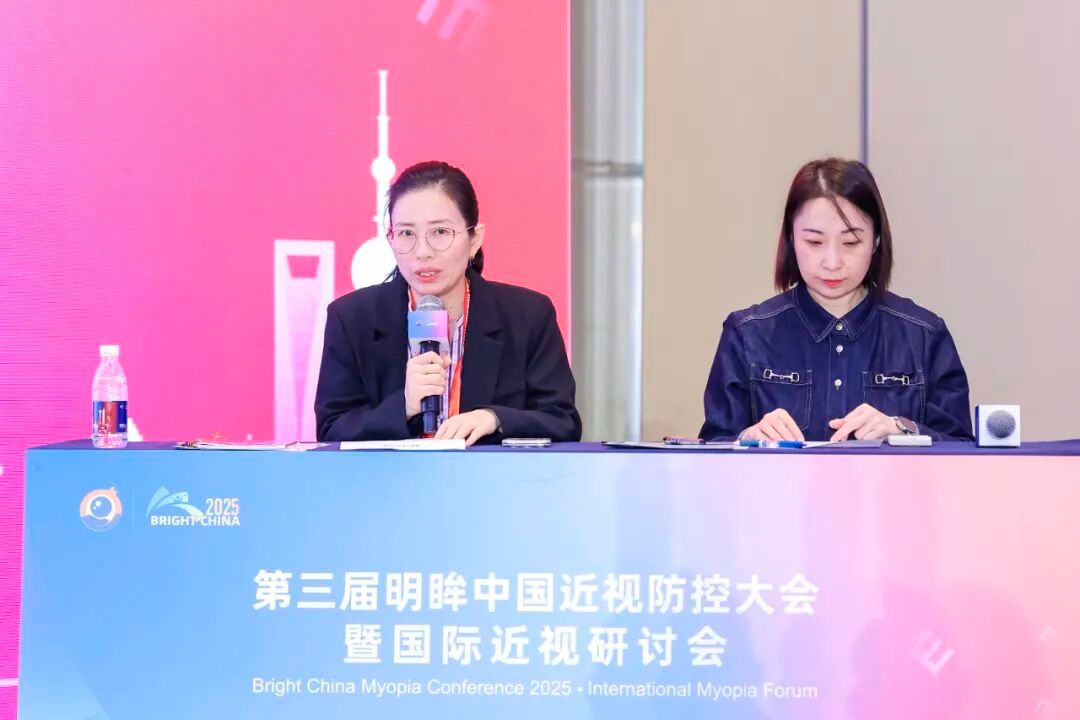
Bright China 2025 | Moderators of Airdoc’s Satellite Session: Professor Wang Xiaojuan (Left) and Professor Yu Jun (Right)
Clinical Research Data on the Solo Application of Airdoc PBM(R) Vision Rehabilitation Device
Professor He Xiangui from the Shanghai Eye Disease Prevention and Treatment Center pointed out that although there are currently multiple myopia prevention and control methods in clinical practice, significant individual differences exist among children and adolescents. Some children respond poorly to conventional intervention measures, and there is an urgent need to explore more precise and personalized supplementary solutions. Against this backdrop, PBM photobiomodulation technology, with its advantages of being non-invasive, highly safe, and highly synergistic, has become a research hotspot and an important option in clinical practice.

The Shanghai Eye Disease Prevention and Treatment Center conducted a single-center, randomized controlled pilot study titled “LED Red Light for Controlling Myopia Progression.” The study included 40 children aged 8 to 12 with simple myopia, who were divided into an intervention group and a control group, with 20 participants in each group. The intervention group received irradiation from the Airdoc PBM(R) Vision Rehabilitation Device (2 sessions per day, 3 minutes per session), while the control group was subjected to extremely low-dose irradiation (0.001 mW, simulating a placebo).
The pilot study data revealed that, over a 3-month period, the average axial length changes in the intervention group were as follows: right eye, -0.002 mm; left eye, -0.019 mm. In the control group, the axial length changes were: right eye, +0.059 mm; left eye, +0.075 mm.